
HOOLIGANG
Joey Valence & Brae

How to Increase App Conversions Through UGC?
December 5, 2025
5 min
read
When you're managing a DTC mobile app generating $5M+ in ARR, every marketing dollar needs to deliver measurable results. You've likely heard that user-generated content (UGC) can boost conversions, but is MasterHooks' approach actually effective for your app? The answer lies in understanding how data-driven viral hooks combine with authentic UGC to create a powerful conversion engine. Let's examine the evidence behind why this strategy works and what results you can expect.

8 Ways UGC (User Generated Content) Drives App Conversions — With Real Examples
1. UGC Often Converts Significantly Better Than Branded Content
User-generated content — real users sharing real stories about using your app — tends to convert far better than polished, brand-created content. According to a recent mobile-marketing guide, 93% of marketers using UGC say it outperforms traditional brand content. Ads featuring UGC generate up to 4× higher click-through rates.
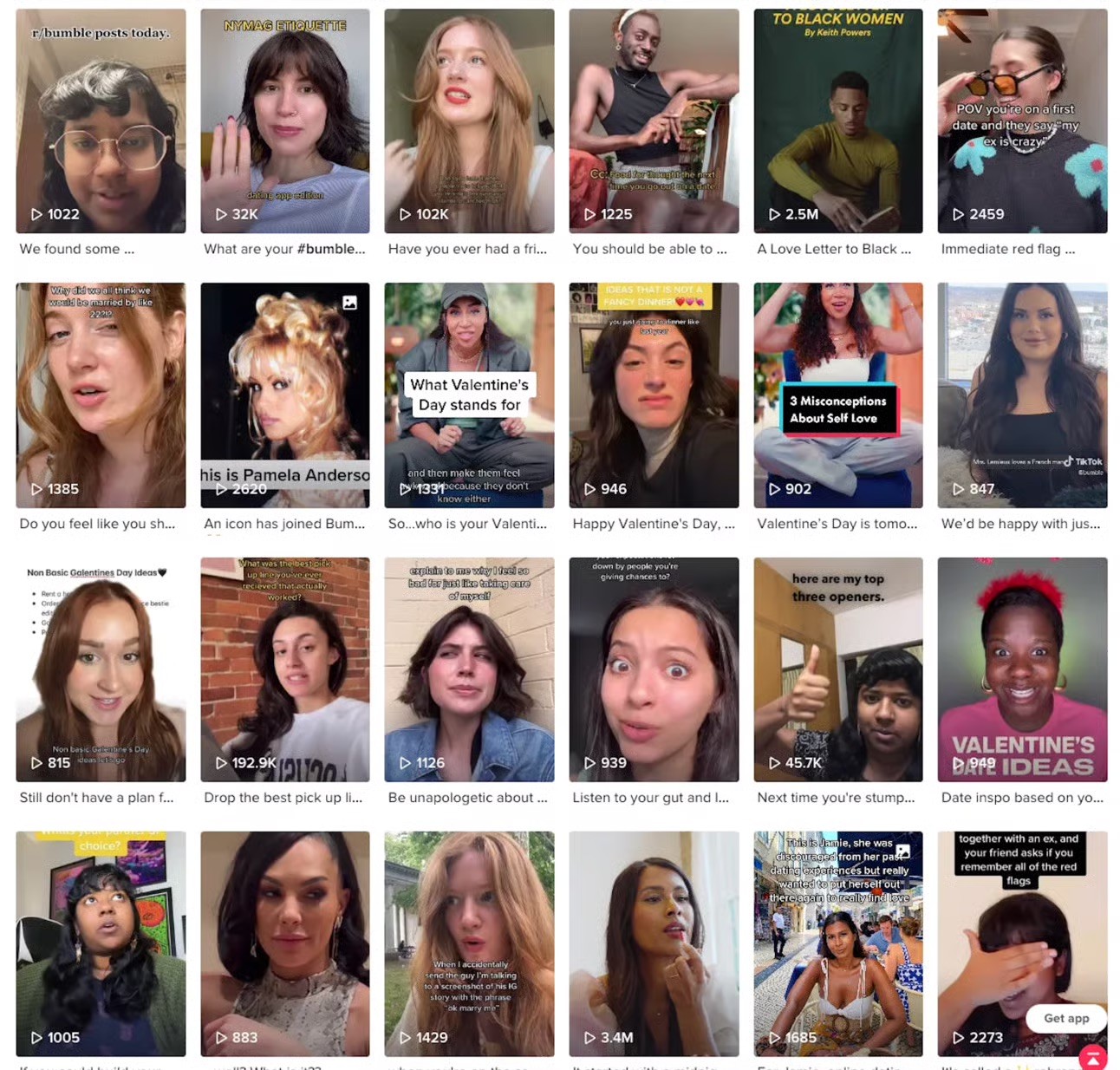
Dating app Bumble used UGC-focused TikTok ads, leading to increased app downloads and engagement.
Why it works: UGC offers social proof and relatability — when prospective users see real people like them using the app, trust and perceived authenticity rise.
Key content formats: candid testimonials, user stories, “before and after” experiences, real screenshots or screen recordings.
2. Some Apps See Install Rates Jump 40–150% with UGC & Interactive Ads
For certain apps (especially lifestyle, social, or gaming), UGC ads — especially when combined with interactive ad formats — have significantly boosted install rates. Recent data shows conversion rates from impression to install rose by an average of 152% among top-performing advertisers.
iFUN Games ran a TikTok campaign for a mobile launch and reportedly achieved a low cost-per-install (CPI) of about $1.21 using UGC creator content.
What works: creators posting gameplay or user experience videos, authentic reactions, and unfiltered feedback.
Result for marketers: a lower cost per acquisition and higher conversion volume, especially helpful when acquiring users at scale.
3. Data-Driven Hook Systems Replace Random Content With Strategy
Not all UGC performs equally. The difference often lies in how well content is optimized — hooking attention early, triggering emotional resonance, and aligning with what your audience actually cares about. Agencies that run “hook audits” and analyze competitor content tend to produce far more predictable, high-performing assets.
Insight from mobile marketing: many subscription apps have seen “testimonial-style” UGC decline in effectiveness. Instead, more dynamic formats like expert commentary, skits, pattern-interrupt videos, and native-feed-style UGC now deliver lower CAC (cost per acquisition), stronger user intent, and better retention.
What this means for you: build a repeatable, data-informed creative system (not just random user testimonials) to scale and predict performance.
4. Authentic UGC Builds Trust — More Than Polished Ads Ever Could
UGC gives prospective users social proof. Real people — not actors — showing real app usage helps overcome skepticism. Especially when your target audience is experienced or ad-averse, this authenticity pays off.
Why authenticity matters: UGC appears more credible than brand-created content, particularly for apps aimed at lifestyle, finance, wellness, or socially conscious users.
Example: apps that integrate social proof or community — where users share experiences, reviews, or results — tend to see higher engagement and lower drop-off compared to apps using only brand ads.
5. Multi-Platform Distribution of UGC Maximizes Reach and Conversion Potential
UGC isn’t just one video — it’s a distribution engine. Sharing UGC across multiple platforms (social media, in-app feeds, ad networks) ensures you reach users at different stages of awareness and leverage different behavioral triggers.
Many brands embed TikTok or Instagram UGC into their ad strategy, tapping into where users already spend time and serving native-feeling content.
Benefit: repeated exposure — someone might first discover your app via a short UGC video on TikTok, see a testimonial on Instagram, and finally convert after seeing multiple social proofs.
For you: this multiplatform UGC deployment can meaningfully amplify ROI for each piece of content.
6. UGC With Viral Hooks Has High Shareability — Leading to Organic Growth and Lower UA Costs
When UGC is built around shareable triggers (humor, relatability, surprise, problem-solution, social proof), it can spread beyond your paid reach. This kind of organic virality reduces user-acquisition costs and can drive disproportionate growth.
Trends show that apps mixing UGC + shareable hooks see better engagement and lower acquisition costs compared to traditional ads.
Some mobile games (e.g., Monopoly GO, Royal Match, My Talking Angela 2) used UGC-driven campaigns to boost visibility and attract players through relatable content and real user testimonies.
For apps in crowded markets, this organic amplification can be a competitive advantage and reduce reliance on paid advertising.
7. UGC Strategies Already Work for Real Apps in Diverse Categories
It’s not just a theory — many real apps across categories (dating, gaming, lifestyle) are using UGC successfully to fuel growth.
Hopper (travel) used UGC on TikTok and Meta to drive app installs and purchases, using “tips & tricks” content to engage users.
Bumble (dating/social) used UGC-focused ad campaigns to increase downloads and engagement among younger users.
For gaming apps, as above: “Monopoly GO,” “Royal Match,” “My Talking Angela 2” leveraged UGC for improved ad performance.
Takeaway: regardless of app vertical — dating, travel, gaming — UGC works when tailored to audience, user behavior, and platform dynamics.
8. Continuous Optimization and Testing of UGC Campaigns Drives Long-Term Growth
A one-and-done UGC post won’t cut it. The most successful strategies continuously test formats, creatives, and hooks — learning what works and scaling it.
Recent market data suggests interactive ad formats plus UGC now outperform older testimonial-style videos, meaning you must adapt your creative strategy over time rather than assume past performance will hold.
Best practice: treat UGC as a content system — iterate on hooks, test new creators/voices, analyze performance data, re-use top-performing assets across campaigns and platforms.
Result: improved conversion rates, lower cost per install/acquisition, and scalable growth over time.