
HOOLIGANG
Joey Valence & Brae

Why You Should Build a Mobile App in 2026
January 25, 2026
5 min
read
A Complete Guide for Non-Technical Founders
The mobile app economy is experiencing unprecedented growth in 2026, and there's never been a better time to launch your own application.
Whether you're a complete beginner or someone who's been sitting on an app idea for years, this comprehensive guide will show you exactly how to turn your concept into reality—no coding experience required.
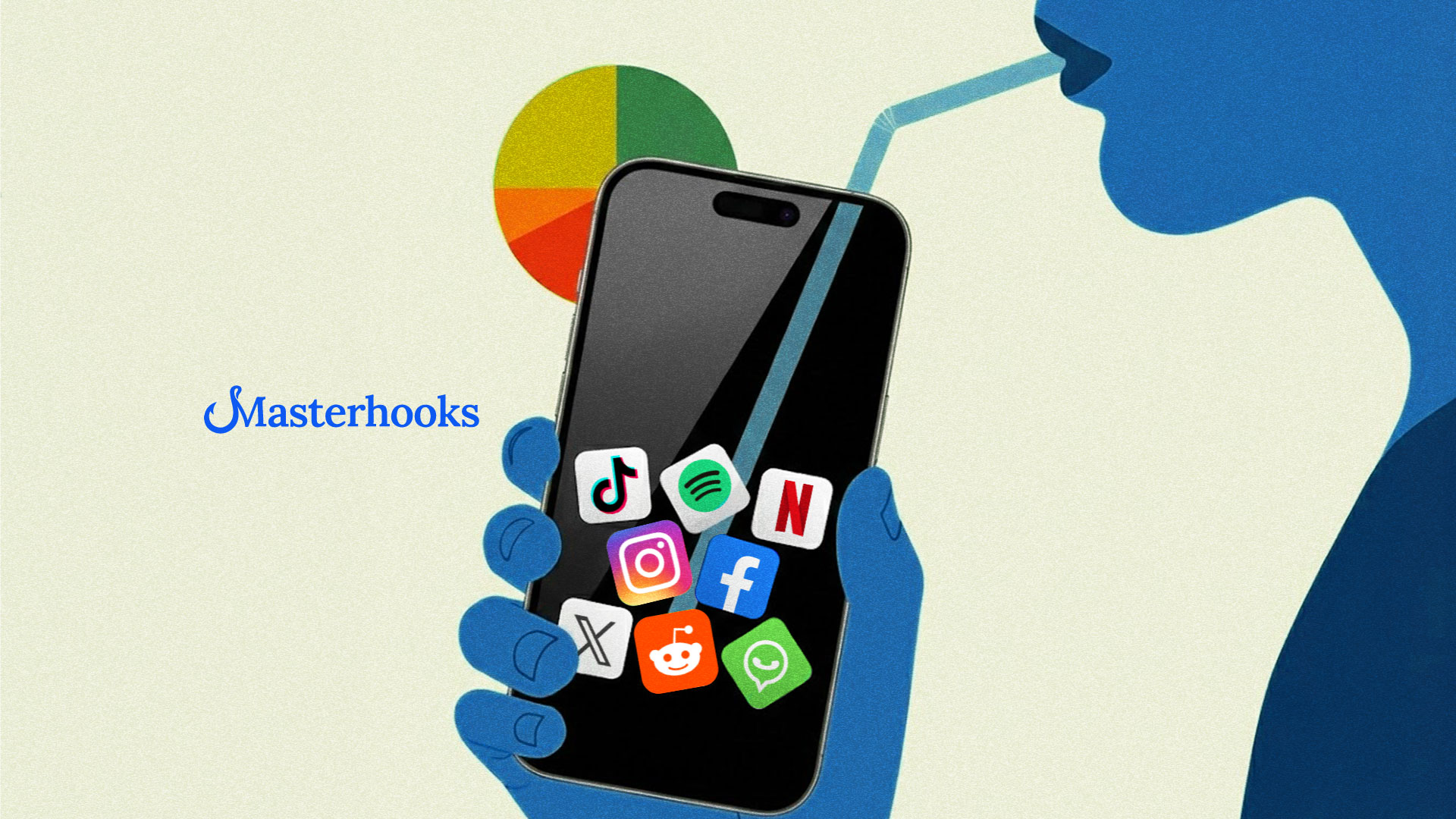
Mobile usage continues to dominate digital consumption, with users spending an average of 4-5 hours daily on their smartphones.
According to recent industry reports, the global mobile app market is projected to generate over $935 billion in revenue by 2026, driven by increased smartphone penetration and changing consumer behaviors.
What makes 2026 particularly special is the convergence of two powerful forces:
AI has democratized app development. Tools powered by advanced AI models can now generate fully functional applications in days rather than months. What previously required a team of developers, designers, and product managers can now be accomplished by a solo founder with the right prompts and tools.
Built-in distribution channels have leveled the playing field. Platforms like TikTok, Instagram Reels, and YouTube Shorts provide unprecedented organic reach. A single viral video can drive hundreds of thousands of downloads without spending a dollar on paid advertising.
Common Objections (And Why They Don't Matter)
Let's address the elephant in the room. You might be thinking:
"I'm not a designer."
"I don't know Swift or Kotlin"
"I have no idea what to build"
Here's the truth: these perceived limitations are actually your starting point. The most successful indie app developers in 2026 aren't career programmers—they're problem-solvers who leverage AI tools and pattern recognition to build products people want.
Step 1: Finding a Winning App Idea (No Genius Required)
The TikTok Research Method
Your idea goldmine is hiding in plain sight on social media. Here's a proven system for extracting profitable app concepts from trending conversations:
Download TikTok and commit to 5-10 minutes of strategic scrolling daily.
Pay attention to:
Gen Z language patterns and communication styles
Common complaints and pain points
What people brag about or aspire to achieve
Insecurities and challenges they openly discuss
Activities they wish they were doing more of
Trends represent demand, and demand is the only metric that truly matters when validating an app idea.
Case Study: Underconsumption Core
Consider the viral "underconsumption core" trend that gained massive traction throughout 2025-2026. Searching this keyword on TikTok reveals hundreds of videos about intentional spending and minimalism.
The amateur approach would be building an "underconsumption core app." The strategic approach involves digging deeper into the emotional problem behind the trend:
"I spend money when I'm anxious"
"I buy things to cope with stress"
"I don't realize how much I'm spending"
"I want to romanticize the act of saving money"
This emotional excavation reveals opportunities for apps focused on mindful spending, anxiety-triggered purchase tracking, or aesthetic budget visualization tools.
Three Proven App Idea Templates
Template A: Tracker Apps
Gen Z and millennials are obsessed with quantifying their lives. Consider these tracker categories:
Spending trackers that visualize financial habits
Habit trackers with streak mechanics and completion percentages
Mood trackers that identify emotional patterns
Time trackers that reveal how hours are actually spent
The psychology is simple: people love watching numbers go up (progress) or down (reduction of bad habits).
Template B: Coach Apps
Modern users want guidance, not just tools. They're looking for:
Daily prompts that inspire action
7-day challenges with clear outcomes
"Level up" progression systems
Accountability mechanisms
Think of apps like Duolingo or Headspace. The coaching model works because it reduces decision fatigue while providing structure.
Template C: Aesthetic Utility Apps
Functionality matters, but so does visual appeal. Gen Z particularly values:
Minimalist note-taking apps with beautiful typography
Aesthetic timers and Pomodoro apps
Cute checklists and to-do lists with personality
Apps that deliver "vibes + function"
Examples include apps like Forest or Notion.
The Comment Mining Technique
Here's a pro tip that requires zero creative genius: search for the word "app" in TikTok and Instagram comments.
When you see comments like "someone needs to make this into an app" or "I would download this immediately"—that's a money signal. Users are literally telling you what they want to pay for.
Step 2: Designing Your App (Without Design Skills)
The Competitive Analysis Framework
Professional designers aren't born knowing UI/UX principles—they study what works. You can do the same:
Download 10-100 apps in your niche or adjacent categories.
Building a budgeting app? Download Mint, YNAB, PocketGuard, Goodbudget, EveryDollar, Honeydue, Wally, Spendee, Money Lover, and Daily Budget
Creating a fitness app? Study MyFitnessPal, Strava, Nike Training Club, Fitbod, Strong, JEFIT, Freeletics, 8fit, Centr, and Peloton
Developing a self-improvement app? Analyze Headspace, Calm, Fabulous, Habitica, Streaks, Productive, Way of Life, HabitHub, Loop, and Strides
What to Screenshot and Why
Systematically capture every important screen:
Onboarding flows
Paywall presentations
Settings menus
"Aha moments"
Empty states
Success states
You're not copying their design—you're learning from proven behavioral patterns that drive engagement and revenue.
Step 3: Building Your App (Fast, Even Without Coding)
The AI-Powered Development Stack
The app development landscape has been revolutionized by AI assistants.
Recommended platform: Rork
Rork specializes in mobile-first AI development workflows.
The Prompt Engineering Process
Step 1: Compile Your Research
Gather screenshots and define your concept clearly.
Step 2: Create Your Master Prompt
Step 3: Optimize for AI Model Strengths
Use Claude Opus 4.5 for logic and state management
Use Gemini 3 Pro for UI refinement
Step 4: Improving and Launching Your App
Perfecting the Onboarding Experience
Your onboarding must deliver the first "aha moment" within 30 seconds.
Show value first. Educate later.
Implementing Monetization
Standard pricing model:
$4.99/week
$29.99/year
The Testing Philosophy
Launch → Collect Feedback → Iterate → Improve
Your version 1.0 should be slightly embarrassing.
Platform Selection Strategy
Launch on the App Store first.
iOS users spend more
Better payment infrastructure
Lower support burden
Distribution Strategy: Leveraging Short-Form Video
Content Ideas for App Promotion
Before/after demos
"Build with me" series
User testimonials
Feature tutorials
Trend-jacking
One viral TikTok can outperform a $10,000 ad budget.
Final Thoughts: Your Next Steps
Identify real demand
Study proven patterns
Leverage AI tools
Ship fast and iterate
The barrier to entry has never been lower. The potential upside has never been higher.
Time To Lock in.